


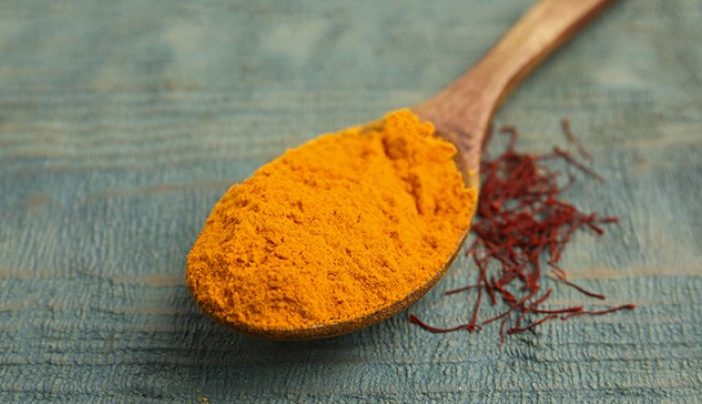
Saffron 101: What it is and potential health benefits
Saffron is more expensive than many other herbs and spices. Threads from the stigmas of the saffron crocus flowers are hand-picked. One study notes it takes about 75,000 flowers to produce a pound of saffron.
Saffron contains antioxidants and other bioactive compounds. Antioxidants help reduce free radicals and, in turn, cellular damage in the body, Morse explains.
Saffron also has an anti-inflammatory effect. It has historically been used to treat pain and fevers. Today, researchers are also exploring whether saffron can treat health conditions, including heart disease, Type 2 diabetes and depression. Researchers are also exploring whether saffron can help short-term memory and cognitive function in people with neurodegenerative and memory disorders, Chin says.
Some of the antioxidants in saffron have shown benefits against cancer cells in petri dishes. However, it’s unclear if this can benefit humans, Morse says.
The bottom line? Saffron research is mostly taking place in laboratories, not in humans. More research is needed to know how it impacts human health.
Enjoy saffron as a seasoning
In general, it’s OK to eat food cooked with herbs and spices during cancer treatment. However, these herbs and spices are not necessarily recommended as supplements.
“Food-based herbs, when eaten in normal amounts, are perfectly safe and beneficial. They can help with anti-inflammatory properties and symptom management,” Morse says.
Wondering how much saffron is safe to consume? Recent studies have found that it’s safe for healthy individuals to consume up to 1.5 grams of saffron per day. Cancer patients should limit themselves to 0.4 grams of saffron a day from food, Chin says.
Be cautious about saffron supplements
Using saffron as a seasoning or a supplement might not seem that different. But the Food and Drug Administration (FDA) doesn’t approve saffron supplements — or any supplements! — for safety and effectiveness before they are sold. This means when you buy a supplement, it’s hard to know for sure what you are getting and if it works.
Saffron also degrades quickly when it isn’t used in food. This could mean you’re paying for saffron that may not have any active ingredients in it, Morse notes. She adds that saffron is particularly prone to adulteration due to its high economic value. Expensive spices like saffron are often “bulked up with other non-spice plant material,” the FDA warns.
The amount of saffron needed to treat various health conditions is likely a lot more than what you get by eating foods with saffron. That’s why Chin notes some people might consider taking a saffron supplement.
“If you do not have any medical conditions that would otherwise interfere with saffron and are looking to utilize it in higher amounts to produce health benefits, talk to your health care provider about what they’d recommend,” she says.
Be aware of saffron side effects and risks
Some people should avoid high doses of saffron, Chin stresses. This includes:
- Pregnant women
- People with kidney disorders
- People with bleeding disorders or at risk of bleeding disorders
These high doses of saffron are often found in supplements, not food.
Saffron can also interact with some medications, which may include some cancer treatments and certain mental health medications. If you have cancer, speak to your care team about any supplements you use.
High doses of saffron supplements or saffron extract may lead to side effects, Morse notes. It may:
- Impact appetite
- Cause headaches
- Contribute to anxiety symptoms
- Lead to blood thinning
These side effects aren’t caused by regularly eating foods that contain saffron spice. Instead, they may occur if you consume large amounts of saffron extract. This is because the compounds in saffron extract “can vary in potency and concentration,” Morse says.
Support your health with research-backed habits
Saffron’s health benefits are still being studied. However, there are plenty of simple, affordable and proven ways to help you feel your best. Among them? Eating healthy foods and getting enough physical activity.
Eat meals rich in whole grains, vegetables, fruits, beans, nuts and seeds. Aim for at least 150 minutes of moderate exercise or 75 minutes of vigorous exercise each week.
“The foundation of health is healthy, diverse eating and healthy movement and trying to avoid supplements and excess vitamins. We should be getting most of our intake through food sources,” Morse says.
Request an appointment at MD Anderson online or call 1-877-632-6789.
link