


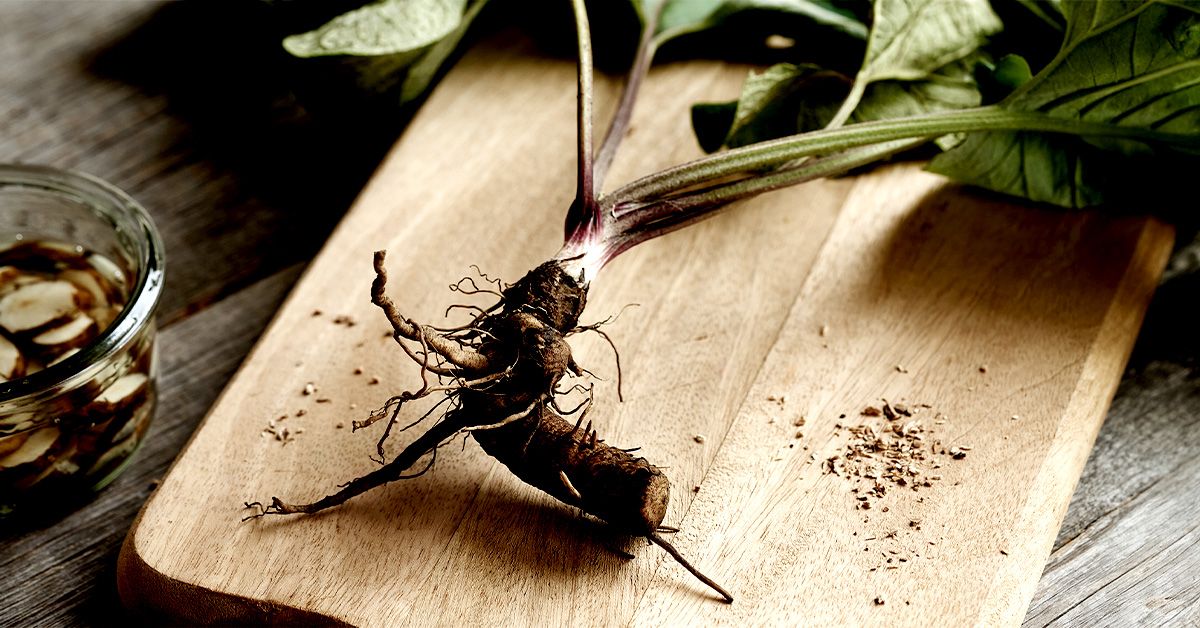
Burdock root comes from the burdock weed. It is available as a tea in various tinctures. Claims of burdock root benefits are varied, though researchers are still studying its potential effects on health.
Numerous studies have documented the potential of burdock root to help manage several common ailments, including cancer, diabetes, and inflammation. However, results have not been universally agreed upon.
Native to North Asia and Europe, burdock now grows widely in the United States as a weed. In some parts of the world, people consume it as a root vegetable, much like potatoes.
Burdock has large heart-shaped leaves and produces purple flowers in the spring and autumn.
Traditional Chinese medicine has long utilized the roots, fruits, leaves, and seeds of the burdock plant.
Burdock is believed to have various bioactive metabolites, including:
- antimicrobial
- antioxidant
- anticancer
- anti-obesity
- anti-inflammatory
- anti-diabetic
- antiviral
Burdock has been used in folk medicine for a long time to help treat various conditions and ailments, as well as overall well-being.
Burdock root has been a part of traditional medicine, particularly traditional Chinese medicine, for centuries. Today, researchers are beginning to design clinical studies to assess its benefits.
Improving blood sugar and managing diabetes
A 2017 animal study on mice looked at the anti-diabetic properties of burdock root. Traditional medicine has long used burdock to help treat diabetes.
This study found that burdock root may have anti-diabetic properties when used at certain doses. The authors concluded that this may mean that burdock root could be a useful tool in the management of diabetes.
A 2022 review of in vivo and in vitro studies also stated that due to the phytochemical content of burdock root, it may be an effective therapeutic way to help manage diabetes. It also found that extract from burdock may help with managing glucose levels and obesity.
Treating and preventing infections
Traditional medicine has long used burdock root to fight the common cold, sore throats, and other ailments.
Though research is somewhat limited, there are studies that have found that burdock root may help prevent various types of bacterial infections. For example, a 2017 in vitro study found that compounds in burdock root may help with certain types of persistent bacterial infections.
Another 2024 study also notes that burdock root may be an effective supplement to antibiotics for certain severe bacterial infections.
A 2023 review of in vitro and in vivo studies notes that burdock root has also been found to have potential antimicrobial effects against bacteria such as E. coli and Salmonella.
It is important to note, however, that the studies on the effects of burdock root on infections have largely been in laboratories and animal studies. The human data are lacking on its effectiveness.
Diuretic
Burdock root has been used in various types of traditional medicines as a diuretic for hundreds of years. However, the evidence is lacking to support this.
Diuretics help remove water from the body, offering relief for people retaining water.
Antioxidant
Antioxidants help fight the effects of free radicals. Free radicals are chemicals in the body that damage the body’s cells and may be responsible for a wide range of ailments, including cancer, aging, and inflammatory disorders.
Several studies have found that burdock root may act as an antioxidant. An in vitro study from 2020 found that components of burdock root can act as an antioxidant.
A 2023 review also noted that burdock root has shown antioxidant activity in various ways.
Reducing inflammation
A 2023 review notes that in vivo studies have found that burdock root has various anti-inflammatory properties. In animal studies, it showed improvement in inflammation from conditions such as edema and colitis.
Cancer
Natural remedies, such as burdock, should never take the place of medical treatment and advice from medical professionals.
- breast
- ovary
- bladder
- lymphoma
- pancreatic
There are claims that it may help to reduce pain associated with cancer and decrease the size of tumors.
Research from 2018 also found that one of the main components of burdock root, arctigenin, may help to inhibit the growth of liver cancer.
Burdock root is generally safe to use. However, there are a few potentially serious side effects, including:
- anaphylaxis
- allergic contact dermatitis
- acute liver injury
People with chronic or life threatening health conditions should ask their healthcare professional before using burdock root.
Those who are pregnant or trying to become pregnant should not take burdock root or burdock root supplements.
Burdock root is available as:
- tea
- herbal tincture, a crushed powder that a person can take in pill form
- decoction, which is a liquid made from boiling the herb
Because burdock research is in its infancy, there is no single recommended minimum or maximum dose.
Individuals should discuss the use of burdock root with their healthcare professional and potentially consult an herbalist before using it.
It is unsafe to use wild burdock because it might be contaminated. Other weeds might also be mistaken for burdock.
link